Learning / recognizing the moment
The next time something gets in your way.
The useful habit begins when an ordinary difficulty becomes a question you think to ask.
A first success can show someone what AI can do. The moment that interests me next is much less theatrical: tomorrow, when something gets in the way, do they recognize another possibility?
I want to help people develop that recognition. A tool can be available all day without becoming part of how someone approaches a problem.
Start with something that matters.
For me, it has been a broken dome light, a brisket for friends, a story to share with Suzanne, and a substantial software application. These are different settings for the same willingness to enter unfamiliar territory and begin asking better questions.
For someone else, the meaningful starting point might be a task at work, a project at school, or something at home. I would want to discover that with them. Personal examples can make the possibility approachable; they are not a required route into workplace learning.
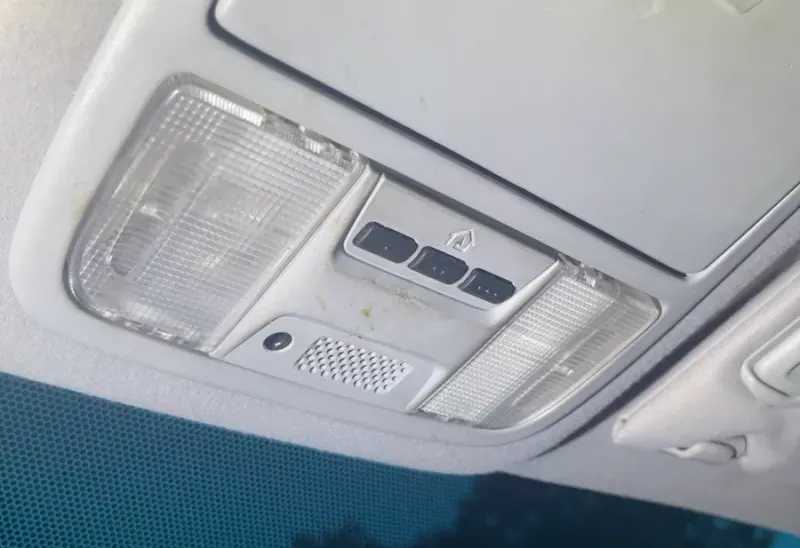
Make the noticing visible.
Here is a proposed way to describe the practice. The steps are a guide to a conversation, not a claim that everyone learns in the same sequence.
- Notice. Something is confusing, repetitive, unfamiliar, or harder than it needs to be. Pause long enough to ask whether AI might be useful.
- Frame. Describe what you want to accomplish, the situation, and what you already know. Ask for orientation when you do not know where to begin.
- Try. Choose a small step whose result you can inspect. Let the first attempt produce better questions.
- Check. Look for missing context, mistakes, and assumptions. Use an appropriate source or qualified person when the stakes require it. Keep responsibility for the decision.
- Return. The next opportunity is another chance to begin, with a little more independence.
A brisket is an environment to understand.
My questions were about the cut, the smoker, temperature, timing, and the stall. I could ask what an experienced cook would tell an apprentice, question what I was missing, and keep learning. The result mattered because I was making something for people I care about.
A console is a different kind of environment.
In LAUNCH, the problem was preparing meeting venues for new territories. The implementation includes choosing geography, asking for candidates, checking records, and keeping reviewed inventory. A model’s confident response is only one part of a useful workflow.
Building this myself establishes hands-on work. It is a separate question whether another person can use the system well, and another again whether I helped them learn how.
NEEDS TODD RAW SIGNAL · RS08 / RS09
Now show the moment with someone else.
Add the person’s goal, what they had not noticed, your explanation or question, and the action that followed. Include how you changed your approach if they were uncertain, skeptical, or stuck. Keep the memorable language; we can shape it afterward.
Give the habit somewhere to live.
In an organization, curiosity needs practical support: usable approved tools, clear information boundaries, time to try, examples people can return to, and someone who can help with the next question. Managers and teachers help shape those conditions.
I would want to revisit what happened: could the person recognize another suitable task, explain what they wanted, check the result, and return without needing every step supplied? Then we could examine whether the chosen work actually improved.
NEEDS TODD RAW SIGNAL · RS05 / RS10 / RS11
What happened after the first session?
A later question, an independent attempt, a useful handout, a revised piece of work, or feedback from a teacher or manager can make the continuation tangible. Add what you actually observed and when. An unresolved difficulty is useful material, too.
The personal examples come from Todd’s existing accounts. This draft explains his proposed teaching approach; it does not establish measured learner outcomes or prove that personal-first practice transfers into workplace adoption.